
The Ethical Dilemma: Designer Babies & Genetic Engineering

By: Divya Jaganathan-
We might imagine a world where parents could choose the traits of their child just like selecting ingredients for a recipe - with perfect health, and a high IQ. This is not just the plot of a sci-fi novel, but the reality of what genetic engineering has become today. With powerful biotechnology that has taken decades to create, scientists have been able to edit the human genome for medical and agricultural purposes. However, what happens when this technology is taken advantage of or abused? This is the question that scientists have been trying to answer regarding genetic engineering technology.
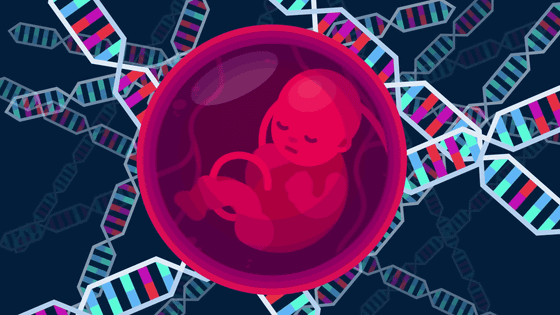
Designer babies are babies that originated from embryos created by in-vitro fertilization for the sake of producing a child with specific, desired traits. CRISPR-Cas9 designer babies are created by modifying the genome to select characteristics. And while there is no doubt that this technology is revolutionary, it is important to remember that there is a thin line between the use of biotechnology for “good” or “bad” causes.
For example, HIV is a deadly disease that can cause autoimmune disorders if left untreated, and can make people more vulnerable to disease and infection. Additionally, there is no foolproof cure to the virus, and therefore after a patient acquires it, the disease stays with them for life. The only way to suppress this is to undergo medical treatment or therapy to reduce HIV. If it became possible to prevent HIV transmission, it seems reasonable that parents should have the option to remove the risk of infection for their children, taking into account the severity of the disease and its potential lifelong consequences.
This is exactly what went through in the mind of Chinese scientist He Juankui when he performed a gene alteration on twin girls “Lulu and Nana”. Although at first the procedure seemed life-saving and heroic, the gene edits that He Jiankui made to the CRISPR twins resulted in a phenomenon known as mosaicism, where some, but not all, of their cells carried the edits. The twins were now at risk of incomplete HIV resistance, off-target mutations and health complications.
Numerous scientists from around the world criticized He Juankui’s actions for being unethical and endangering children's lives when treatments existed to manage HIV. Over the past six years, there have been additional examples of focused successes in gene editing made possible by advancements in science and technology. Regardless, the controversy of Lulu and Nana shows the ethical issues and technical side effects of genetic engineering.
So, when it comes to designer babies, is genetic engineering really a scientific breakthrough or just a moral risk?


It's crazy to see how far technology has advanced and developed! Personally I think it's morally as well as ethically wrong to be experimenting on young children with gene altercation and I think there needs to be further study and experimenting before we can really accept this technology.
The debate of genetic engineering in humans is one that is precarious and should be taken with extreme caution. Although it seems very promising as a way to prevent human suffering, one must remember that such genetic engineering can cause more harm in pursuit of its cessation. Just like how He Juankui was unable to anticipate the risks for Lulu and Nana, the novel nature of this means that other physicians may not be able to anticipate other side effects of different treatments. In this, transparency of genetic engineering results and procedures and well informed physicians who can properly weigh risk vs benefit of each procedure for every patient is key.